

Rain Ready 2026 has ended !
Thank you to everyone who took part and helped make this year's program a success! We’re excited to continue the program in 2027, with more opportunities to help Alabama communities manage stormwater and protect local water resources.
Interested in participating next year? Sign up to receive updates about the 2027 Rain Ready Alabama program, including program availability, eligibility, and important dates.
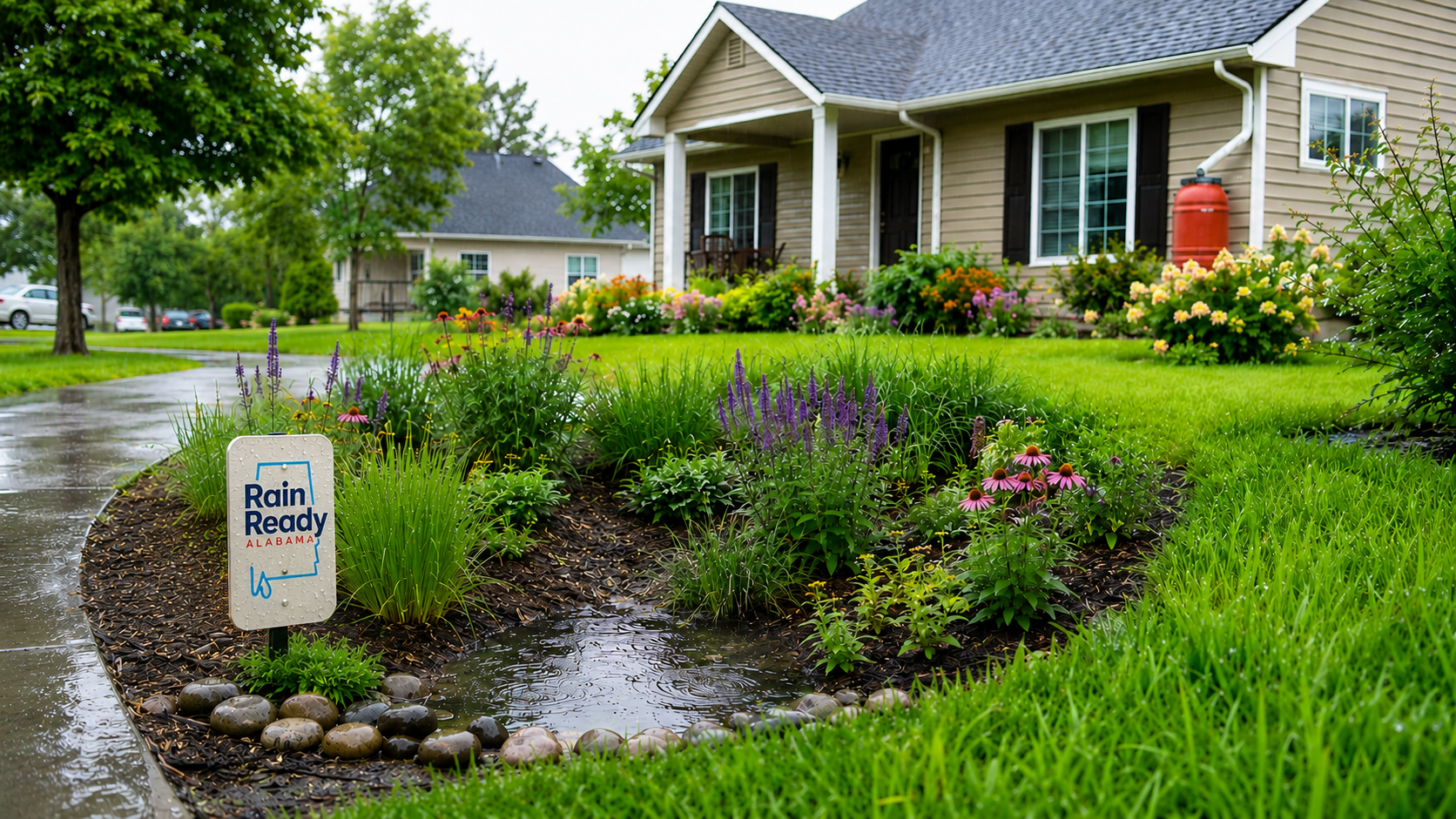
What is Rain Ready Alabama?
Rain Ready Alabama is a statewide program that helps property owners, communities, and schools implement practical stormwater solutions that reduce runoff, improve water quality, and enhance watershed health. Support is provided through financial assistance, education, and workforce development to reduce nonpoint source pollution. The program is supported by the Alabama Department of Environmental Management through a Section 319 Nonpoint Source Grant.
Programs serve homeowners, businesses, contractors, and local governments, with opportunities ranging from simple water-saving practices to large-scale restoration. Through Rain Ready Alabama, you can participate in:
- Stormwater Reimbursement Program
- Low Impact Development & Green Infrastructure Program
- Streambank Stabilization
- Septic Pump-Out Program
- Rain Barrel Program – Capture and reuse rainwater while reducing runoff
- Low Impact Development & Green Infrastructure Program
- Rain Barrel Program Capture and reuse rainwater while reducing runoff
- Municipal and County Partnership Program
- Provide technical assistance, training, and funding to local governments in Alabama
- Workforce Development Program
- Training and opportunities for contractors and new professionals
Explore the programs below to find out how you can get involved and make an impact in your community.
Are you a contractor or septic pump-out service provider? We'd love to work with you. Learn more about our partnership opportunities and register today.
Stormwater Reimbursement Program
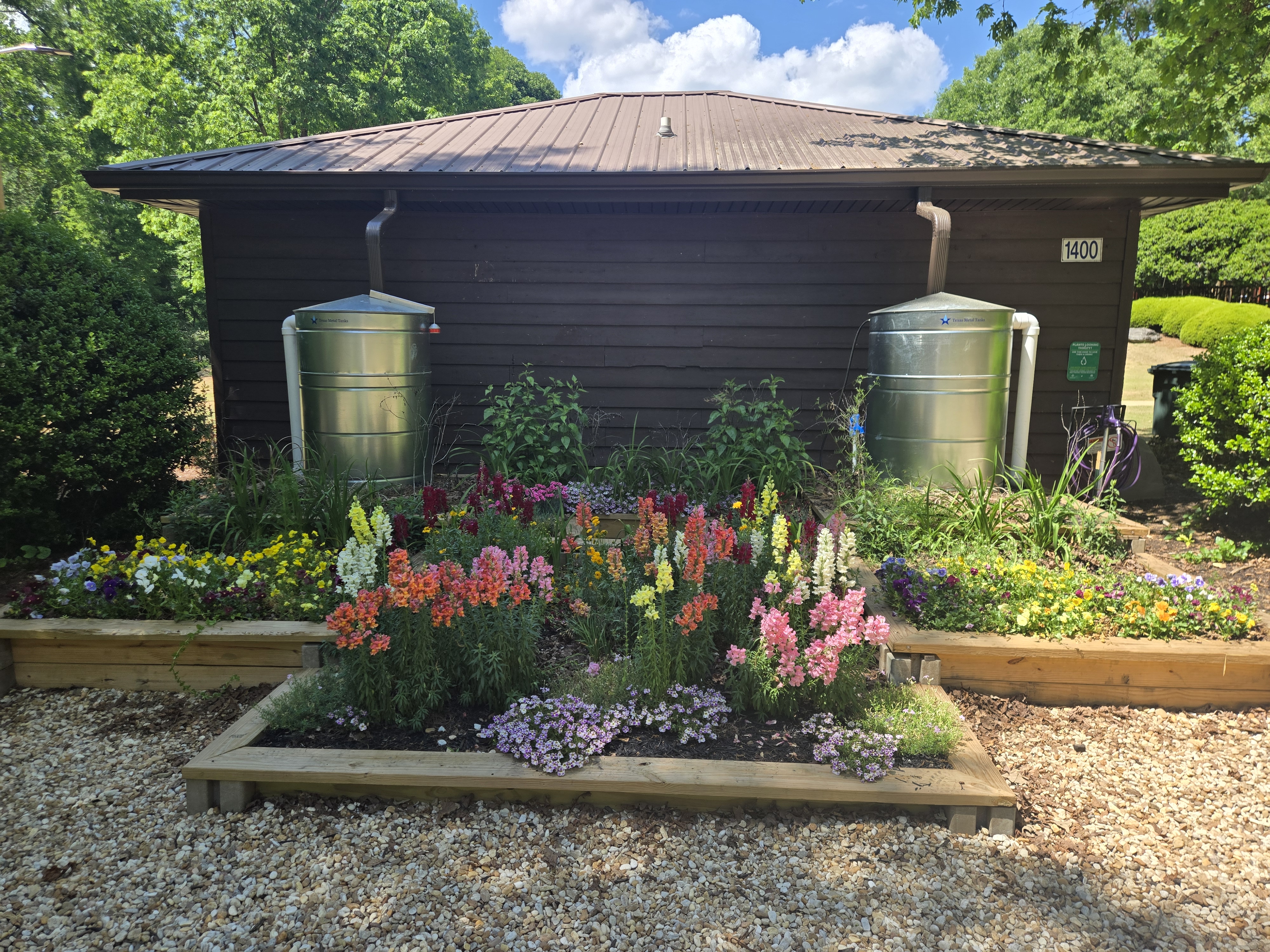
Low Impact Development & Green Infrastructure
Low Impact Development (LID) refers to simple, nature-based practices that manage stormwater close to its source. Instead of allowing rainwater to run off hard surfaces and carry pollutants into streams, LID practices help slow down, absorb, treat, and in some cases allow reusing stormwater on-site.
Eligible projects may receive reimbursement for up to 75% of costs. Larger projects (e.g., HOAs and businesses) may qualify for additional funding. Eligible practices include rain gardens, bioretention, permeable pavement, bioswales, and rainwater harvesting systems.
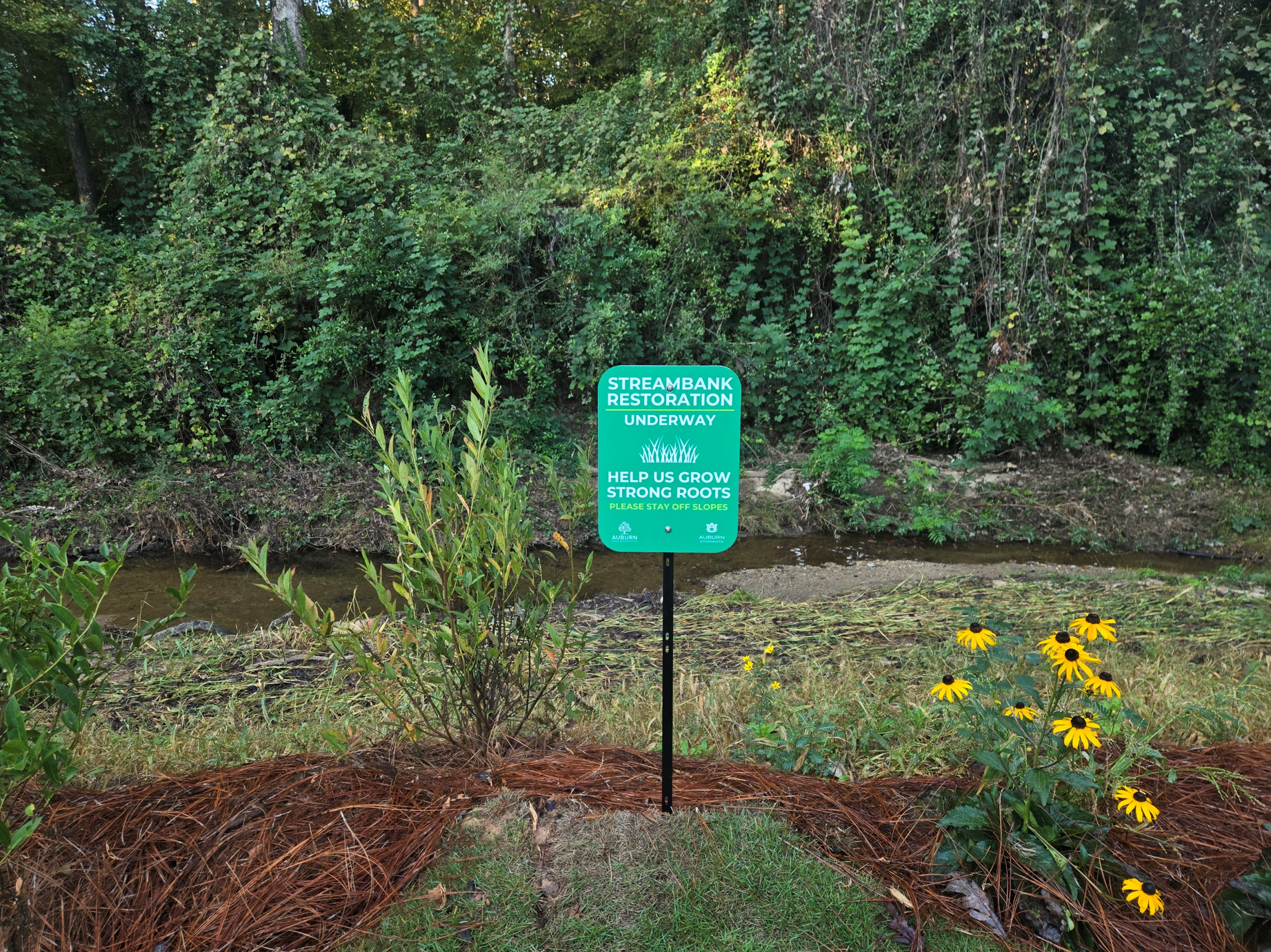
Streambank Stabilization Program
Streambank restoration focuses on stabilizing and repairing eroded streambanks to reduce sediment pollution, protect adjacent property, and improve long-term water quality.
These projects help restore natural channel function and enhance overall watershed health. Eligible projects may receive reimbursement for 75% of total costs.
Septic Pump-Out Program
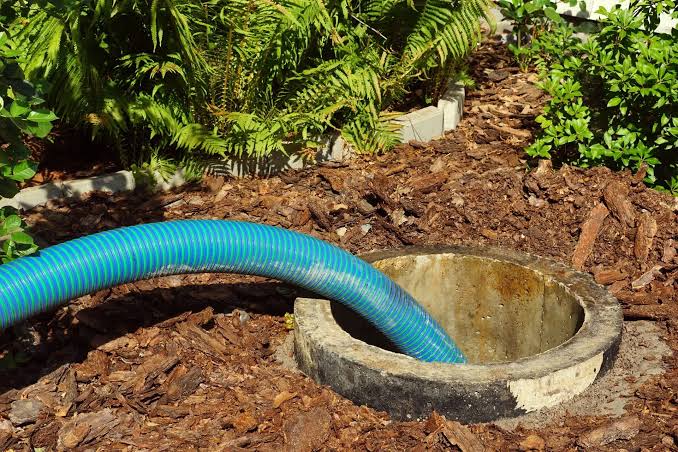
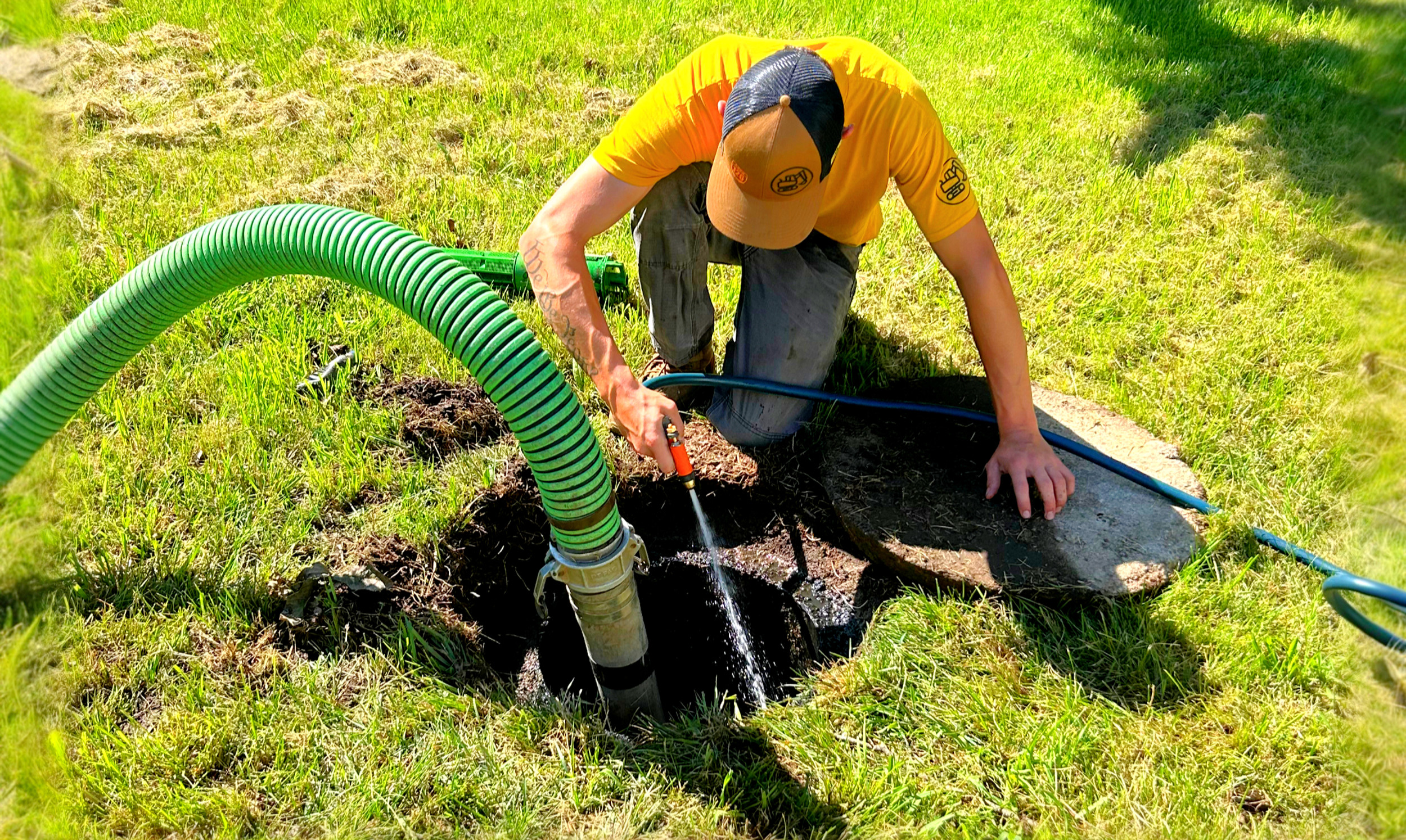
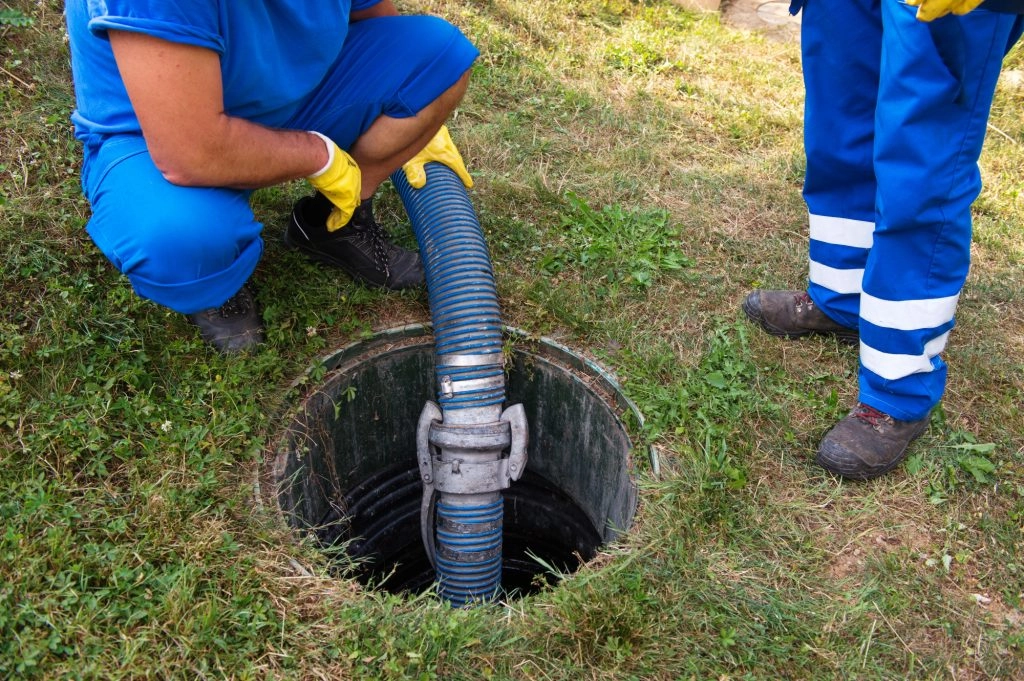
Septic pump-outs are a routine maintenance practice that removes accumulated waste from a septic tank, helping systems function properly.
Without regular maintenance, septic systems can release harmful bacteria and nutrients into groundwater and nearby streams. Routine pumping helps prevent system failure, protect water quality, reduce health risks, and extend system life.
Eligible septic system owners within qualifying watersheds may receive reimbursement for 75% of the pump-out cost, up to $500. Reimbursements are issued directly through the service provider.
Are you a septic pump-out service provider? Join our network of approved service providers. Learn more about the program and register today.
Reimbursement & Project Assistance
Reimbursement & Project Assistance
How Reimbursement Works - LID and Streambank Stabilization
For LID and Streambank Stabilization projects, follow four easy steps:
1. Interest- Submit Interest Form (homeowner/HOA/business)
- Eligibility review
- Approved to proceed with Application
- Project planning (with Rain Ready Alabama assistance)
- Submit application
- Review and approval to proceed with Implementation
- Complete work per approved plan
- Submit Reimbursement Form
- Review and payment issued to Program Participant
How Reimbursement Works - Septic Pump Out
Septic pump-out program reimbursements follow three simple steps:
1. Application- Submit application
- Review and approval to proceed with Implementation
- Pump-out completed as approved
- Submit Reimbursement Form
- Review and payment issued to Septic Service Provider
Project Assistance
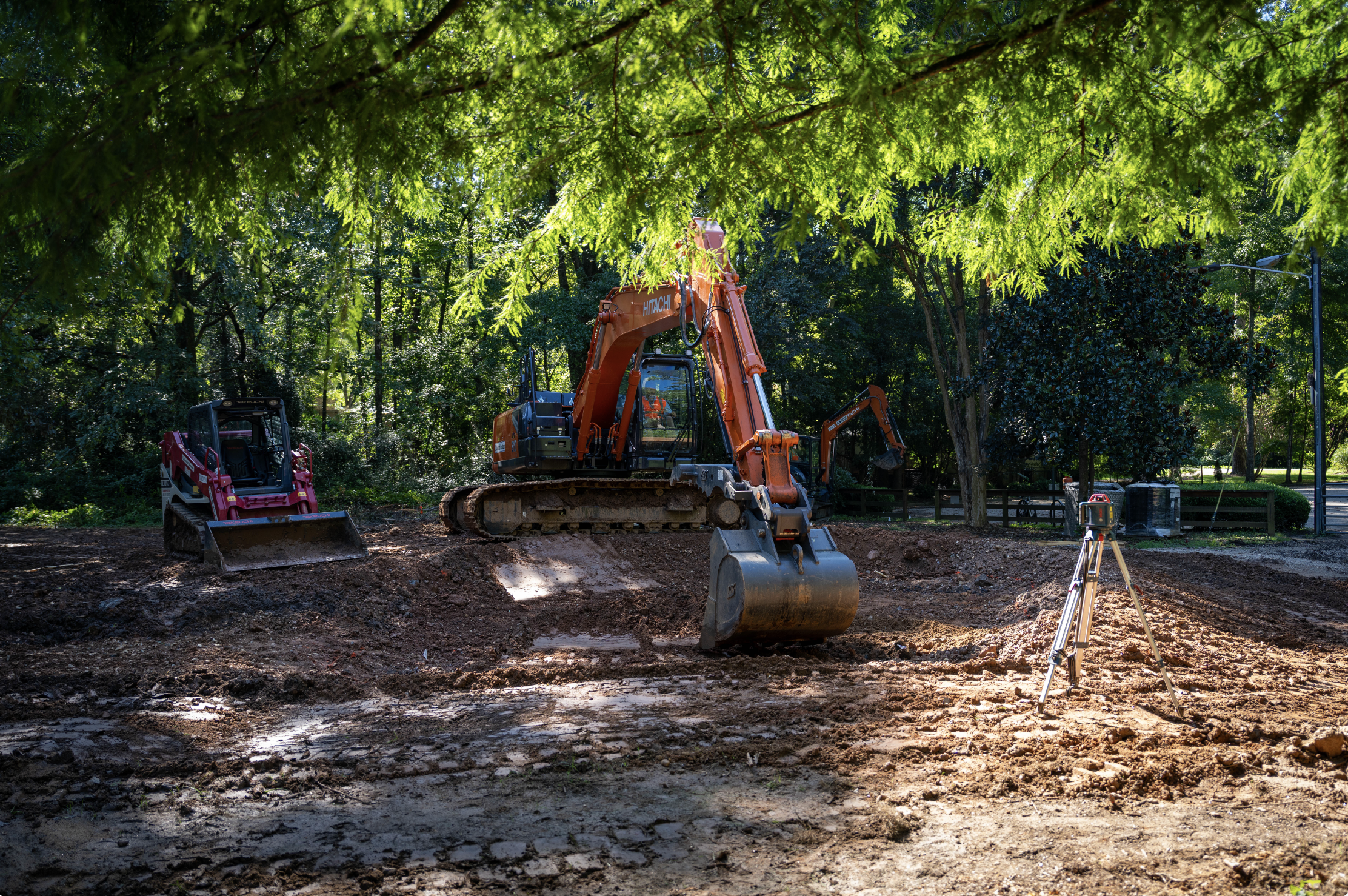
Need help with your project? We can help connect you with technical resources, local professionals, and partner contractors.
Fill out one of our interest forms or contact us at rainready@auburn.edu to get started.
Rain Barrel Program
Get a Rain Barrel for Your Home!
The Rain Ready Rain Barrel Program makes it easy to get started reducing runoff and reusing water at home. Participants attend a live 1‑hour online workshop and receive a discount code to purchase a rain barrel for $30, delivered directly to their door.
The workshop covers installation, use, and maintenance, and is open to anyone in Alabama (limit of one barrel per household). It's a simple, practical way to conserve water and help protect local waterways.
Click below to register for one of our upcoming Free Virtual Rain Barrel Workshops.
Sep. 14 @ 6 PM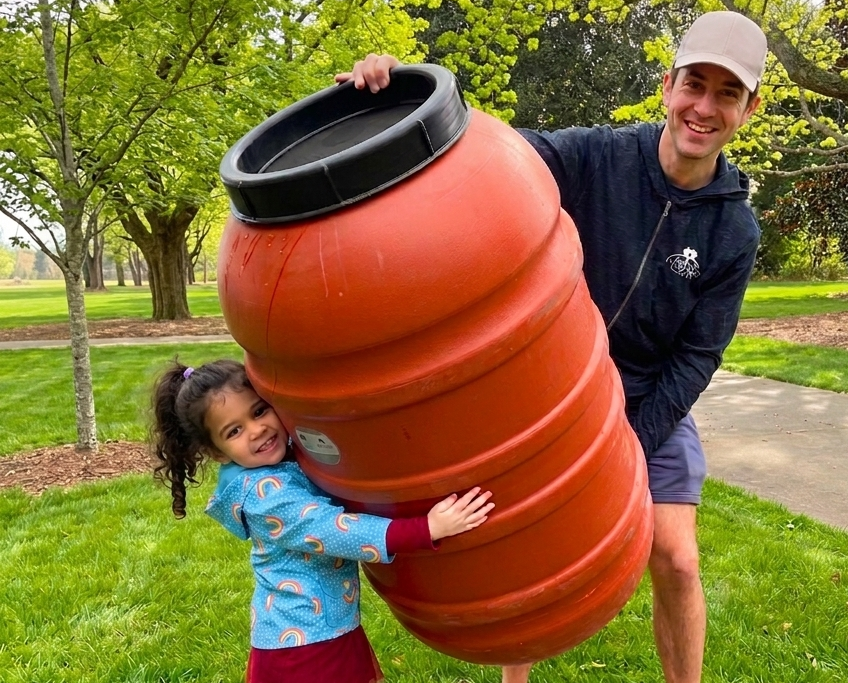
Municipal and County Partnerships Program
Rain Ready Alabama partners with local governments, including municipalities, parks and rec departments, and counties, to advance watershed improvement, implement LID stormwater infrastructure, and erosion control projects in eligible areas across the state. Through this program, Rain Ready Alabama provides:
- Technical guidance and planning support
- Training for engineers and staff
- Project identification and prioritization
- Implementation support for high‑impact stormwater projects
These efforts are focused on impaired watersheds, where reducing runoff and erosion can lead to meaningful improvements in water quality.

Roadside Drainage Stabilization
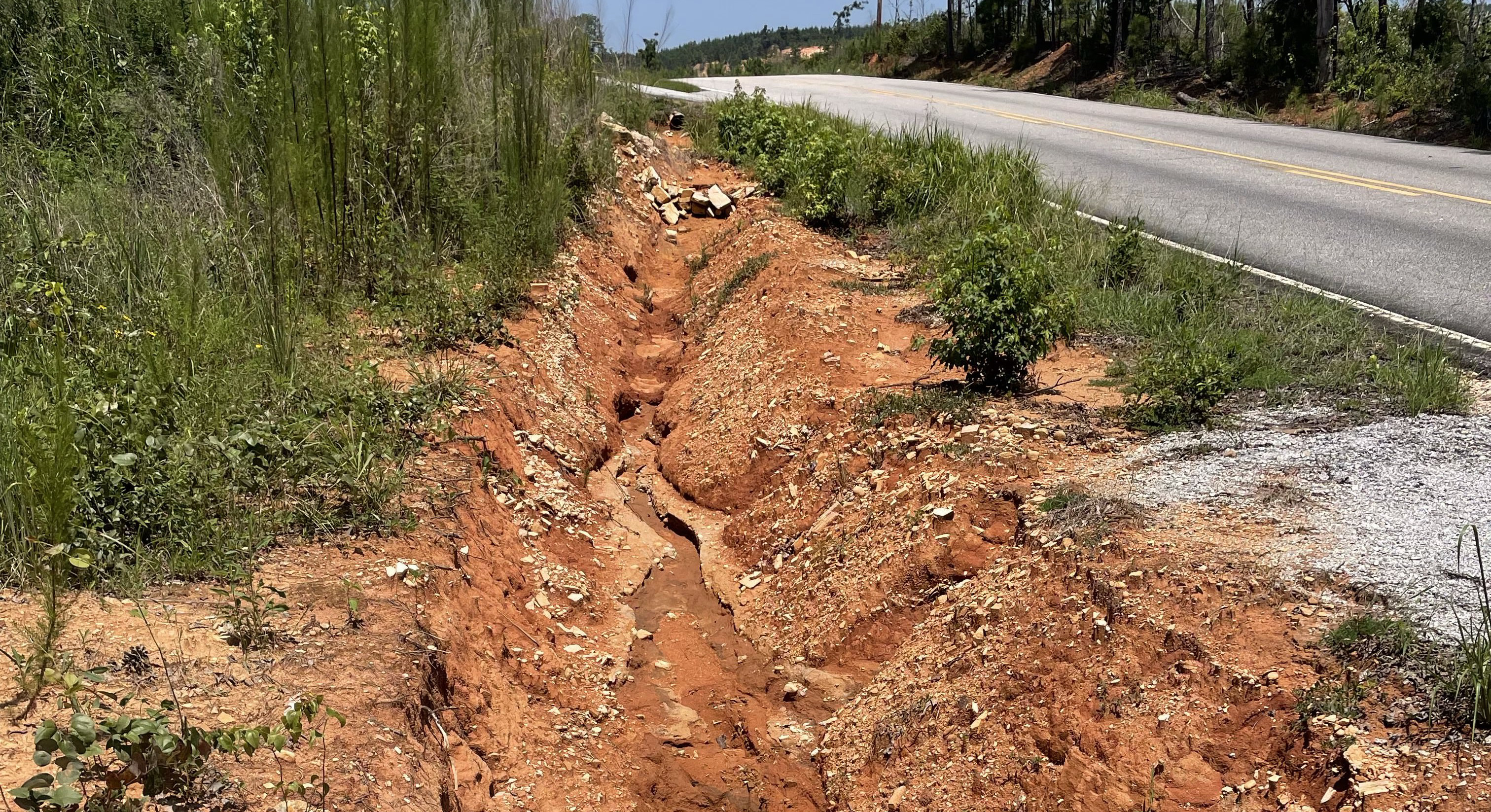
We partner with county highway departments and county engineers to stabilize roadside ditches and drainage channels, reducing erosion and sediment runoff from local road systems. Support includes identifying priority areas, developing site-specific plans, training staff, and assisting with implementation to achieve durable, long-term stabilization solutions.
Contact us at rainready@auburn.edu
to learn more about this program and eligibility.
Workforce Development Program
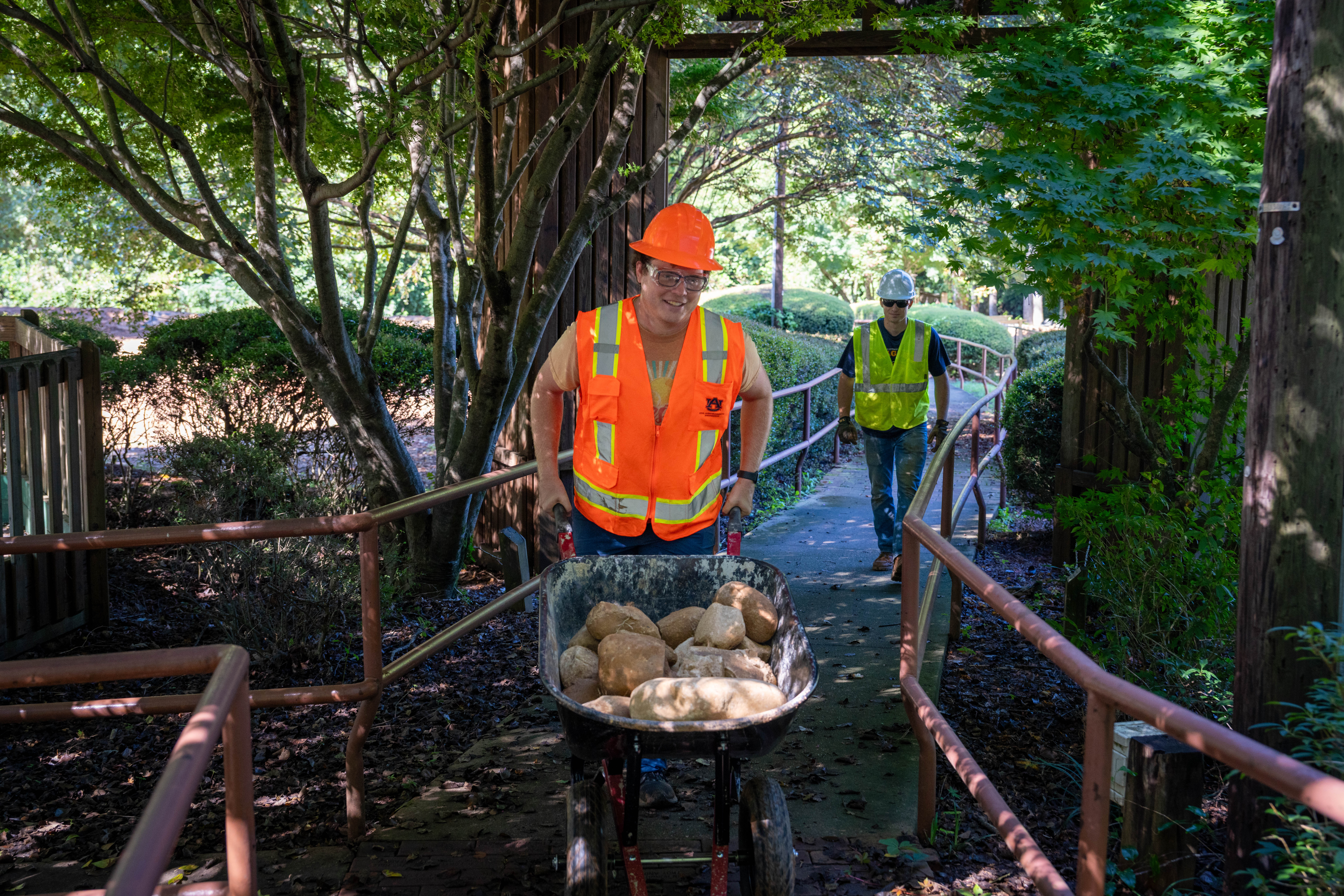
Are you a contractor interested in getting involved? Rain Ready Alabama offers opportunities for technical training, project experience, and project funding participation. We also offer hands-on training opportunities for trainees looking to gain on-the-job training and participate in real-world projects.
To learn more about our contractor partnerships and workforce development programs, email us at rainready@auburn.edu
Upcoming Contractor Training Opportunities:
Urban Stream Restoration Workshop for Contractors | Aug. 20-21, 2026 Backyard Stream Repair 101 Workshop | Aug. 19, 2026
Partner Contractors
Partner LID Contractors:
RJ’s Contractor Works LLC
- Phone: 334-333-6581
- Email: Rjscontractorworks@rjsworks.com
- Counties: Lee
- Visit RJ's Contractor Works LLC Website

Calvert Contracting
- Phone: 318-237-4046
- Email: calvcontracting@gmail.com
- County: Lee County
- Visit Calvert Contracting's Facebook Page

Creative Habitats Landscaping
- Phone: 334-319-4223
- Email: c.osteen@icloud.com
- County: Lee, Chambers, Tallapoosa, and Russell
- Visit Creative Habitats Landscaping Website


The Landscape Experts
- Phone: 251-239-6490
- Email: admin@myexpertlandscaper.com
- County: Mobile and Baldwin
- Visit The Landscape Experts Website
Warren's Construction LLC
- Phone: 256-310-4211
- Email: warrensconstructionllc@gmail.com
- Counties: Etowah, Cherokee, Calhoun, Marshall, Dekalb, Blount, St. Clair, Jefferson, Talladega, Cullman, Madison, Cleburne, Tuscaloosa, Coosa, Shelby, Randolph, Clay, Jackson
- Visit Warren's Construction LLC Website
The Backyard of auburn, LLC
- Phone: 334-744-2234
- Email: info@backyardauburn.com
- Counties: Lee, Macon, Tallapoosa, Chambers, Elmore, Montgomery, Bullock
- Visit The Backyard of auburn, LLC's Website


Georgia Stormwater Services
- Primarily streambank stabilization projects
- Phone: 770-870-7358
- Email: john@georgiastormwaterservices.com
- Counties: Statewide
- Visit The Georgia Stormwater Services Website
Cannon Construction LLC
- Phone: 334-559-0209
- Email: cannonconstruction03@gmail.com
- Counties: Lee, Chambers, Tallapoosa, Elmore, Montgomery
- Visit Cannon Construction LLC Facebook Page
Partner Septic Service Provider:
Plainsman Pumping LLC
- Phone: 334-524-7300
- Email: plainsmanpumping@gmail.com
- Counties: Lee, Russell, Chambers, Macon, and Tallapoosa
- Visit Plainsman Pumping LLC Website
3rd Generation Septic, LLC
- Phone: 256-283-3838
- Email: 3rdgenseptic@gmail.com
- Counties: Calhoun, Talladega, and St. Clair
- Visit 3rd Generation Septic, LLC Website
Marshall Septic Service LLC
- Phone: 256-582-3445
- Email: marshallsepticservice@yahoo.com
- County: Marshall County
- Visit Marshall Septic Service LLC Website

Billy's Septic System Services, Inc.
- Phone: 251-634-4855
- Email: billyseptic@hotmail.com
- County: Mobile
- Visit Billy's Septic System Services, Inc. Website

CH Septic LLC
- Phone: 334-707-3275
- Email: Chsepticllc@gmail.com
- Counties: Lee, Russell, Chambers, Macon, and Tallapoosa
- Visit CH Septic LLC Website
All-Pro Services
- Phone: 334-214-5002
- Email: Allprosepticservice@gmail.com
- Counties: Lee, Russell, Macon, Chambers, Tallapoosa, Barbour, and Bullock
- Visit All-Pro Services Website
Eastern Enterprises LLC
- Phone: 3347078635
- Email: easternenterprisesllc@yahoo.com
- Counties: Lee, Chambers, Russell
- Visit Eastern Enterprises LLC's Facebook Page
Partner With Us

Contractors
Are you a contractor specializing in rain gardens, bioretention, permeable pavement, bioswales, rainwater harvesting systems, or streambank restoration?
Join our network of qualified contractors and partner with Rain Ready Alabama to help implement projects that improve water quality and strengthen community resilience. The partnership registration process is simple:
Note: Steps 1 and 2 are optional but recommended, as they may be required for your company to be considered for certain special projects.
- Register as an Auburn University Vendor: aub.ie/supplier (optional but recommended)
- Read and complete the State Government Contract Addendum (PDF) (optional but recommended)
- Complete the Rain Ready Alabama – Partner Contractor Registration Form (this form includes a link to upload the signed addendum)”
Septic Pump-Out Service Providers
The partnership registration process is simple:
- Register as an Auburn University Vendor: aub.ie/supplier
- Review and complete the State Government Contract Addendum (PDF)
- Complete the Rain Ready Alabama Septic Service Provider Registration Form , which includes additional participation details and instructions for uploading your signed addendum.
Why Stormwater Matters
Stormwater runoff creates two major challenges: how much water runs off (quantity) and what that water carries with it (quality). As communities grow and more surfaces like roads, rooftops, and parking lots replace natural ground cover, less water can soak into the soil. Instead, runoff moves faster and in greater volumes, overwhelming storm drains, increasing flooding, and causing streambank erosion that can damage property and degrade the quality of waterways.
Stormwater picks up pollutants as it travels. Runoff can carry sediment, fertilizers, oils, bacteria, and other contaminants from everyday surfaces directly into streams and rivers. These pollutants contribute to water quality impairments, meaning waterways may no longer be safe for uses like swimming, fishing, or drinking. Across Alabama, many assessed water bodies are considered impaired, often due to sediment, nutrients, and pathogens linked to stormwater runoff.
Managing stormwater is especially challenging in Alabama. The state receives significant rainfall (with areas like Mobile ranking among the wettest in the U.S.), and common clay soils limit infiltration, increasing runoff. Combined with ongoing development and exposed soils during construction, these conditions make erosion and water quality impacts more severe.
Modern stormwater management is shifting toward practical, source-based solutions. Instead of relying only on pipes and drains to move water away, low impact development approaches like rain gardens, permeable surfaces, rain barrels, and other green infrastructure practices aim to slow down, capture, and treat rainfall where it lands. These methods help reduce flooding, limit erosion, and naturally filter pollutants, protecting waterways while making communities more resilient.

Highlighted Projects
Hickory Dickory Park
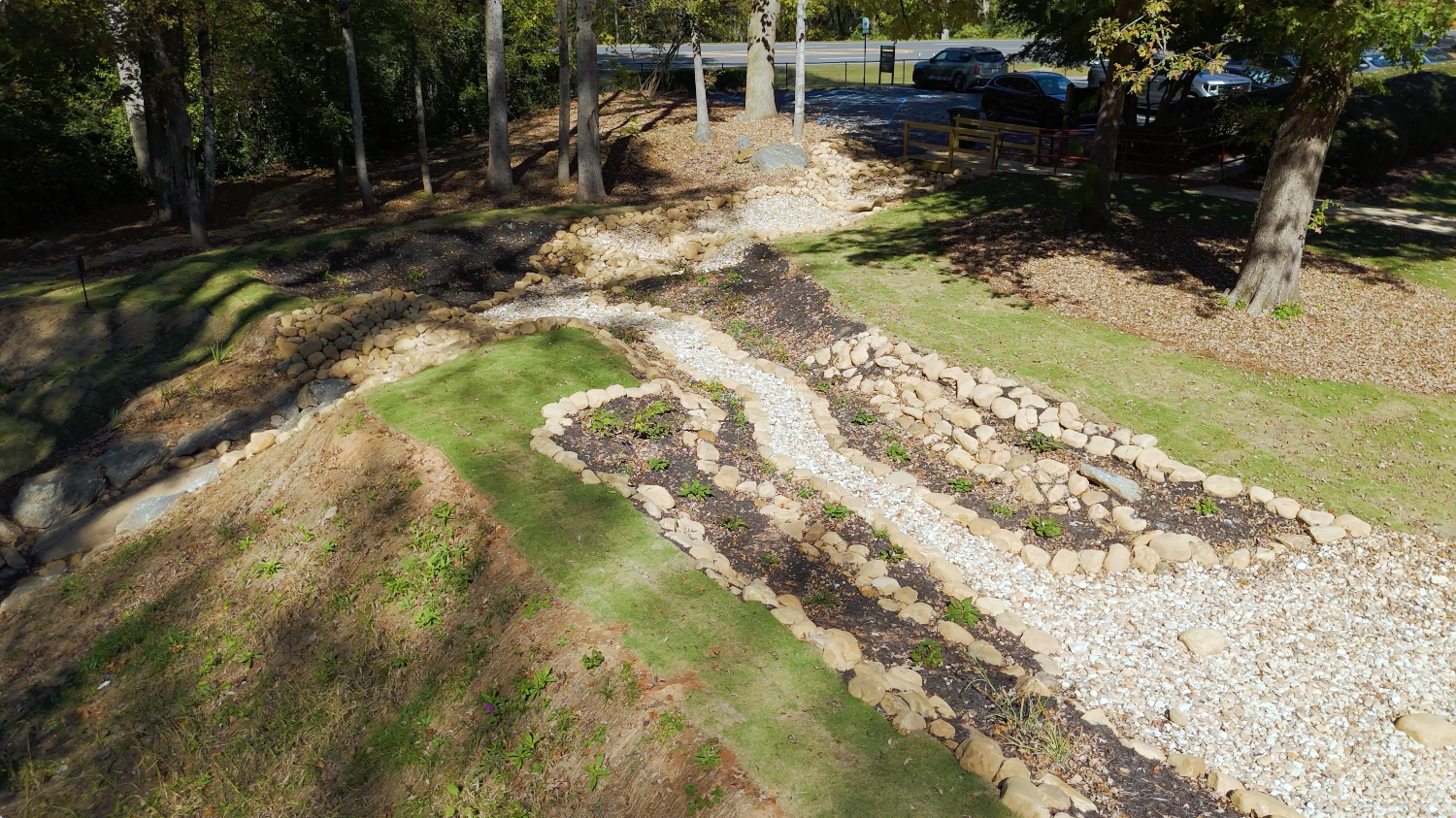
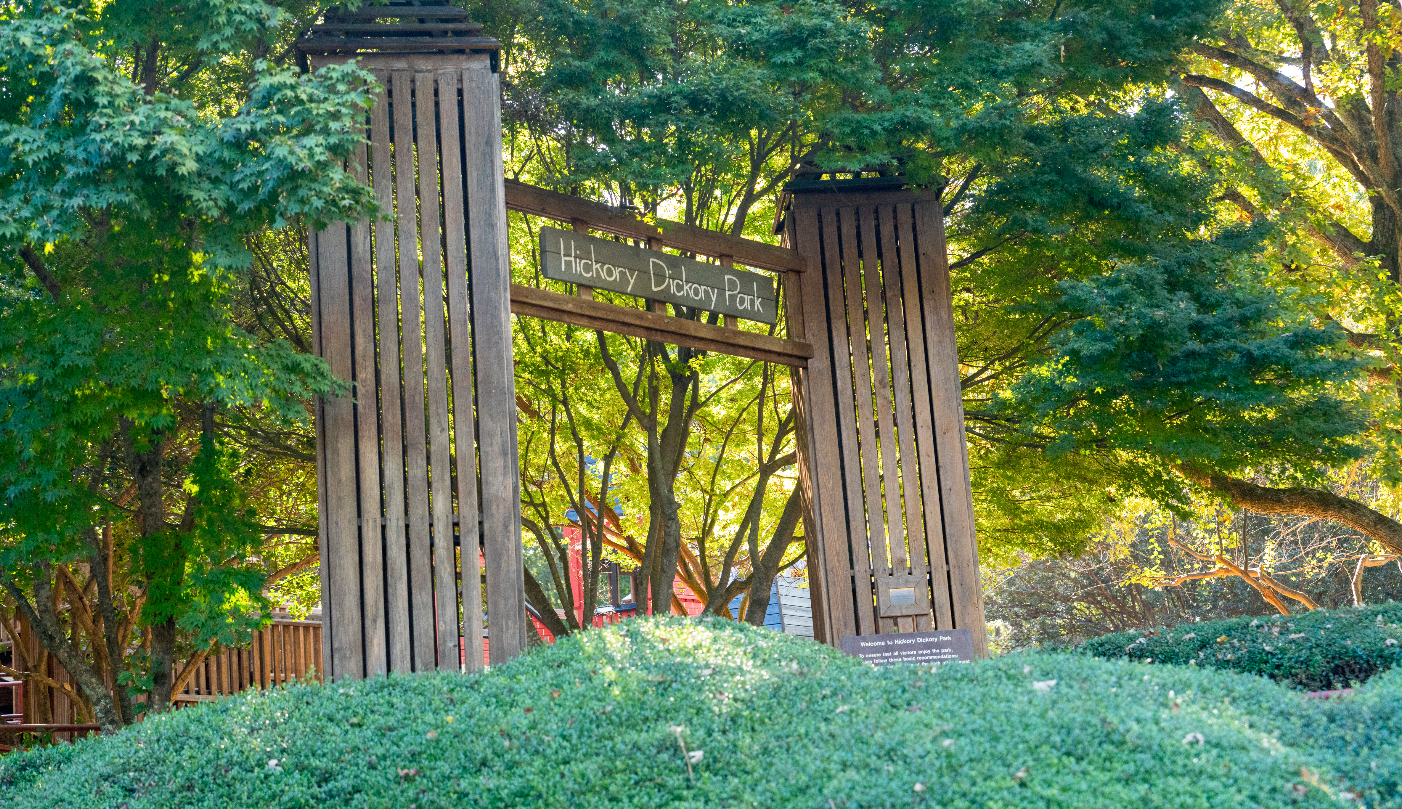
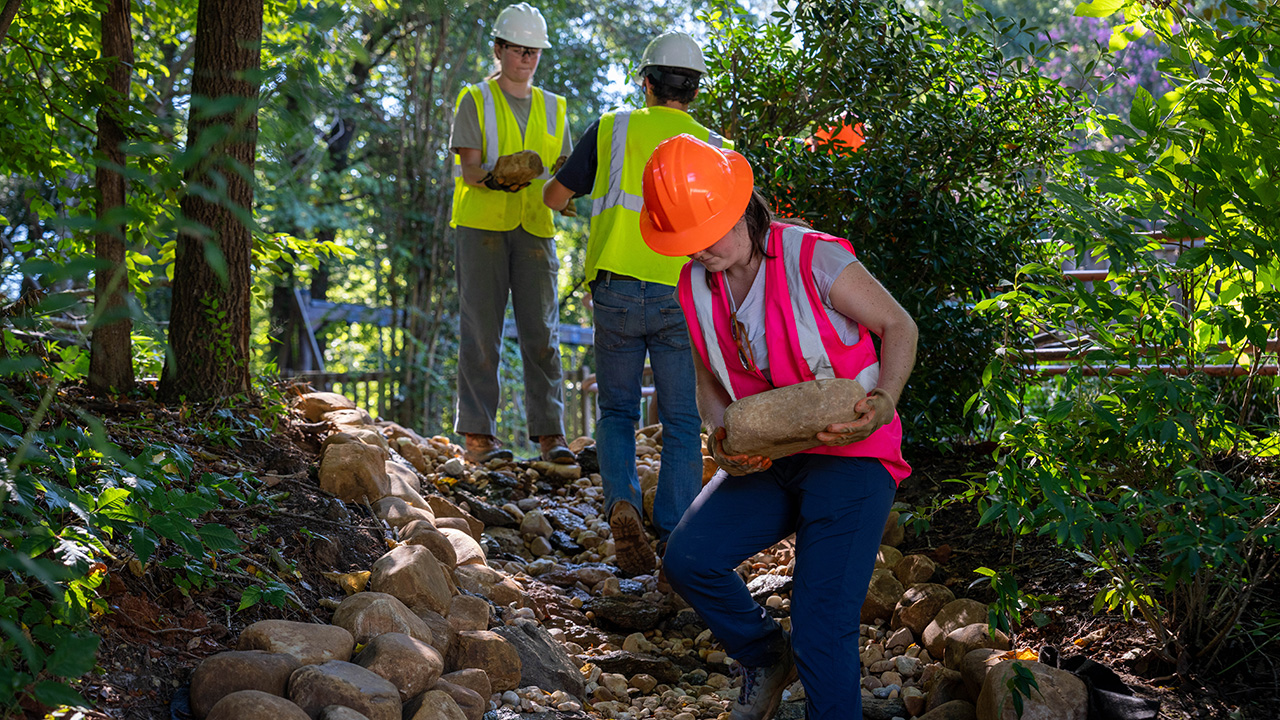
In 2025, the Auburn University Stormwater Research Program partnered with the City of Auburn through an ADEM-funded 319 grant to install LID stormwater practices at Hickory Dickory Park. The project included bioretention cells, permeable paths, cisterns, native plantings, and streambank stabilization to reduce erosion and treat stormwater flowing into a tributary of the Sougahatchee Creek. These upgrades reduced runoff pollution while restoring the park as a functional community space, while giving Auburn University students hands-on experience.
View the Full ProjectEducational Guides & Resources
Rain Ready Practices for Homeowners Webinar Series
Join us for our upcoming free virtual webinars designed to help homeowners learn about Rain Ready practices, including rain gardens, stormwater management, and ways to protect local waterways.
Introduction to Rain Ready Practices for Homeowners
Watch Session 1 Watch Session 2 Sept. 1st @12 PMBackyard Stream Repair 101 Workshop
Educational Guides
Here are some educational guides to help you learn more about stormwater solutions and more.


IN THE NEWS
July 1, 2026



October 17, 2025
FAQ's
We can help. Start by submitting an interest form, and a member of our team will work with you to identify the most effective solution for your property.
Not necessarily. You can use a preapproved contractor, hire your own, request help connecting with one, or complete the project yourself (DIY) if appropriate.
Timing varies depending on the project, but most steps; application review, approval, and reimbursement, are designed to be straightforward and efficient.
Yes. At this time, the standard Rain Ready reimbursement is capped at $2,500 per household. However, we recognize that some projects can provide benefits that extend beyond a single property and may have a broader community impact.
As a result, we may consider additional funding for special projects that demonstrate exceptional value, such as:
- Projects that benefit multiple properties or households
- Large streambank stabilization or erosion control projects
- Projects that address shared drainage, flooding, or water quality concerns within a neighborhood
- Demonstration projects that can serve as educational examples for other homeowners
- Innovative solutions with the potential for long-term environmental or community benefits
If you have a project that you believe may qualify, we encourage you to submit a proposal. Our team will be happy to review the project and discuss potential eligibility. Please note that funding availability varies from year to year, and additional funds may become available in future fiscal years.
Have questions about eligibility, applications, or projects?
We’re here to help. Email us at: rainready@auburn.edu