Human Systems Integration Center rebrands to reflect people-centered research
Published: Feb 5, 2026 1:30 PM
By Dustin Duncan
Auburn Engineering’s Human Systems Integration Center has adopted a new name that more clearly reflects the scope of its research, education and outreach while preserving its longstanding mission and programs.
Formerly known as the Center for Occupational Safety, Ergonomics and Injury Prevention, the center — housed within the Department of Industrial and Systems Engineering — adopted the new name to better communicate its work to broader audiences, according to Mark Schall, the center’s director.
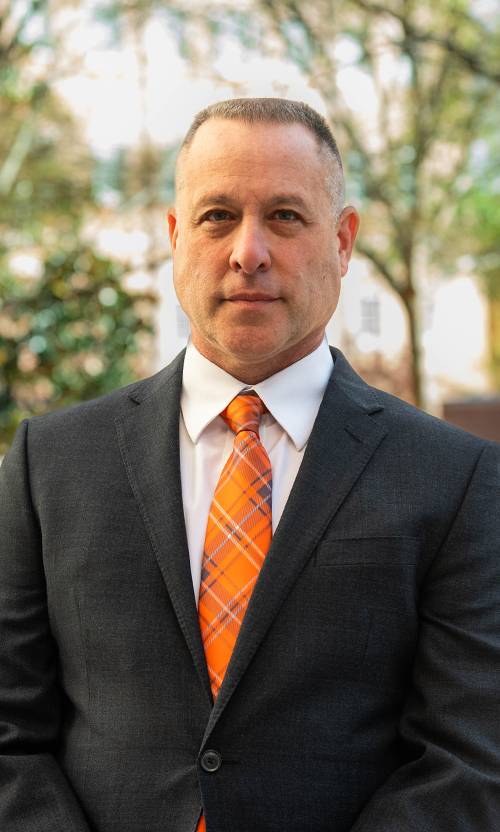
“We’re not changing what we do,” said Schall, who is also the Daniel F. & Josephine Breeden professor of industrial and systems engineering. “We’re changing how we describe it. The work has always focused on people and how they interact with systems, and this name captures that focus more accurately.”
Schall added that the updated name also helps communicate the center’s work more clearly to external audiences, including industry partners and federal agencies, many of whom may be unfamiliar with more specialized terminology.
“This gives us a common language,” Schall said. “When people hear ‘human systems integration,’ they understand that the work is about people, systems and how the two come together.”
Schall said human systems integration is a people-centered approach to understanding, designing and improving complex systems. The field examines how humans interact with technology, work environments and organizational structures, with the goal of improving performance, safety and overall effectiveness. He said the term better reflects the center’s interdisciplinary expertise and the practical challenges it addresses.
“At its core, this is about keeping the human at the center,” Schall said. “Whether we’re working in occupational health, human factors or broader systems research, we’re studying how people function within those systems and how those systems can be designed to better support them.”
The rebrand also aligns closely with the department, reflecting how industrial and systems engineers approach complex challenges by integrating technical, organizational and human considerations.
“This is closely aligned with how our department thinks about engineering problems,” Schall said. “Human systems integration describes that intersection in a way that feels natural and accurate.”
While the name has changed, Schall emphasized that the center’s educational programs, research focus and partnerships remain the same. Students enrolled in existing programs will experience no changes to curriculum or training, and ongoing research and outreach efforts will continue as usual.
“Our programs are still operating as they always have,” Schall said. “Our role in occupational health and safety education and research remains unchanged, and those areas remain an important part of who we are.”
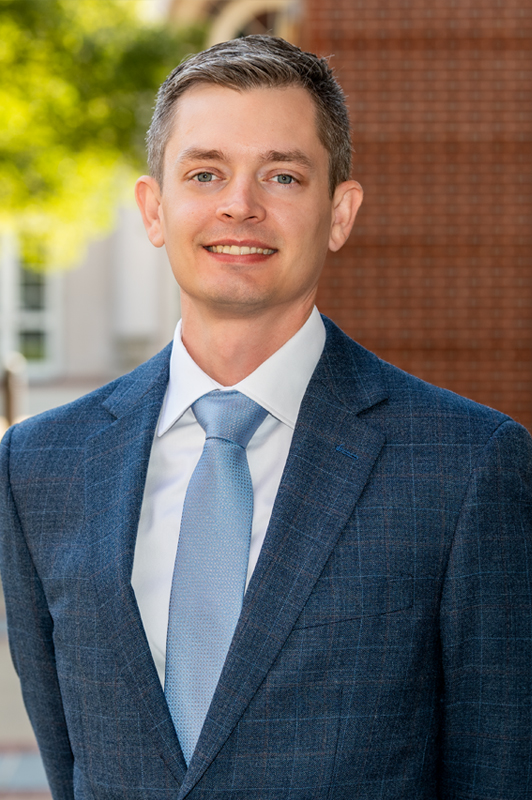
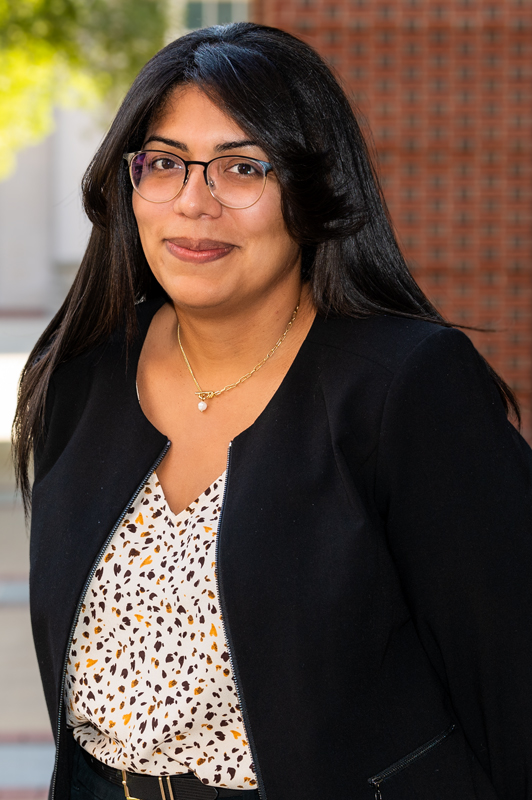
Schall said there are no changes to the center’s faculty. Current faculty include Schall; Yadrianna Acosta-Sojo, assistant professor; Richard Sesek, the Tim Cook professor; Missie Smith, assistant professor; and Richard Garnett, senior lecturer.
Officially established in 2017, the center builds on decades of occupational health and safety research and funding from the National Institute for Occupational Safety and Health, a federal research agency within the Centers for Disease Control and Prevention. NIOSH was created under the Occupational Safety and Health Act of 1970 and conducts research and develops recommendations to prevent work-related injuries and illnesses, complementing the regulatory role of the Occupational Safety and Health Administration.
Looking ahead, Schall said the rebrand helps the center continue building partnerships and pursuing interdisciplinary opportunities while staying grounded in its people-centered mission.
“This is about moving forward with a name that reflects who we already are,” Schall said. “The work hasn’t changed, but the way we tell that story is clearer now.”
Media Contact: , dzd0065@auburn.edu, 334-844-2326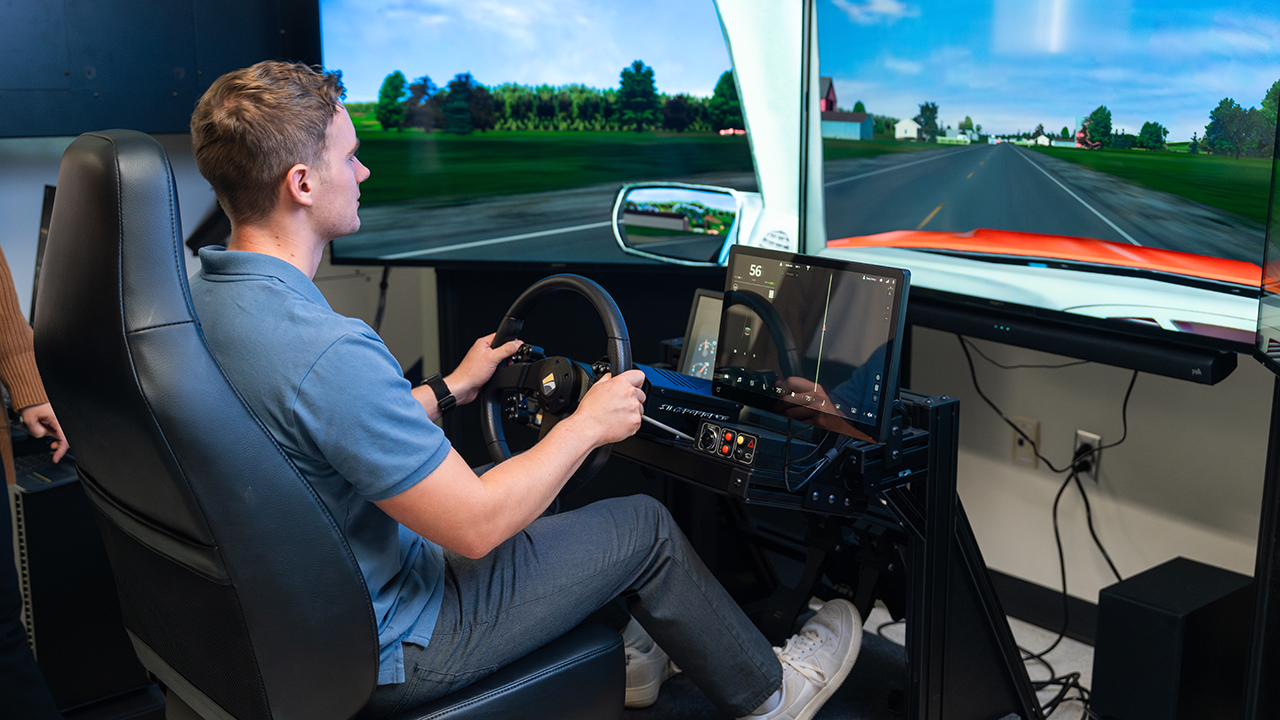
A student participates in a driving simulation in a laboratory setting, reflecting the Human Systems Integration Center’s focus on how people interact with complex systems.