

Wireless Engineering and Education Center (WEREC)
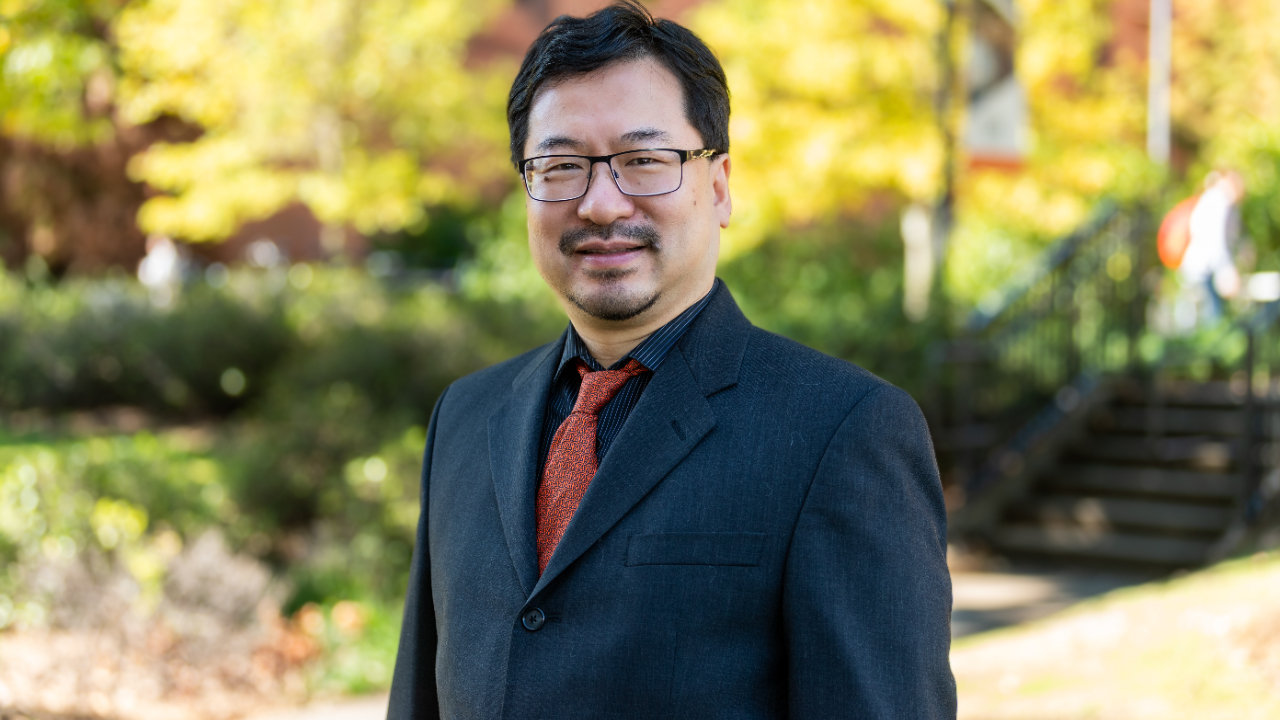
Director, Wireless Engineering and Education Center
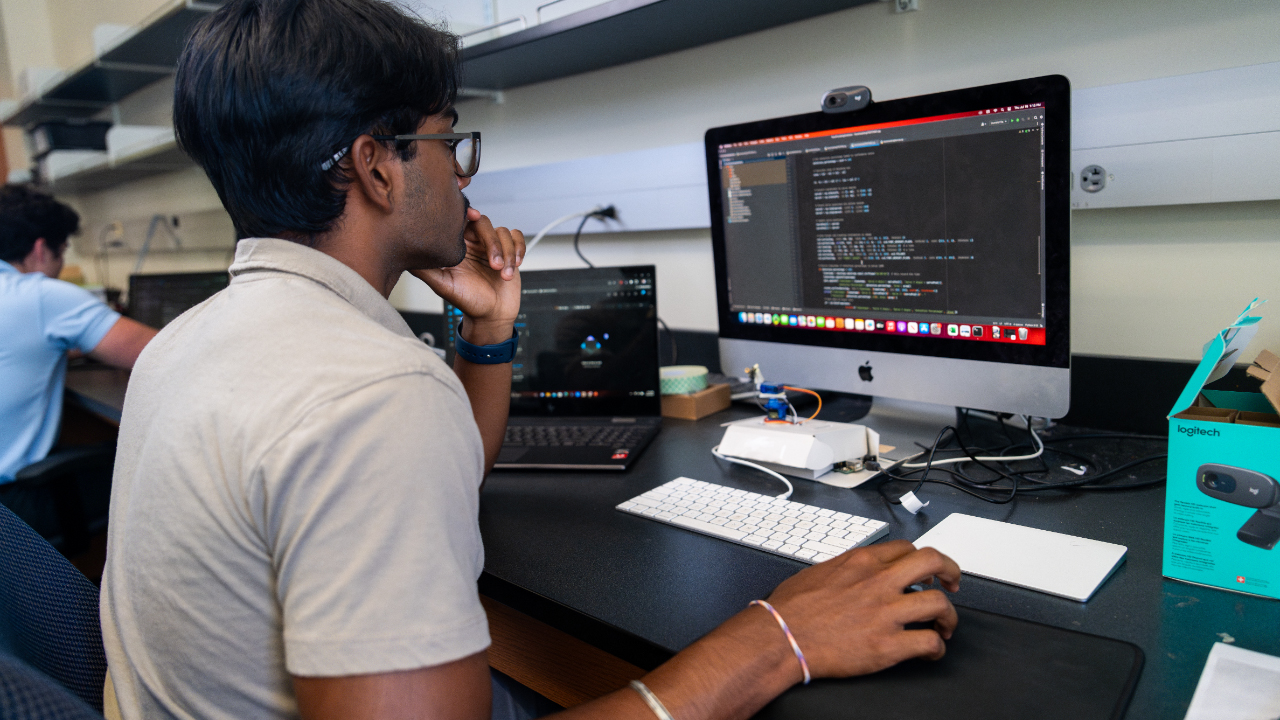
About the Center
The Wireless Engineering Research and Education Center (WEREC) at Auburn University is a dynamic organization dedicated to addressing challenges associated with the growing demand for evolving wireless systems, communications networks, and their applications.
Drawing upon the expertise of more than 20 faculty members across the Samuel Ginn College of Engineering’s Department of Electrical and Computer Engineering, Department of Computer Science and Software Engineering, and the College of Sciences and Mathematics, WEREC produces a robust research portfolio ranging from radio frequency integrated circuits and low-power integrated circuit design to wireless systems, wireless multimedia, and robotic applications.
Already a focal point for cross-disciplinary studies and academic activities, WEREC continues to build strong connections with industry where dramatic and positive impacts on society can be applied and realized.
-
Initiated in 2001 by a $25 million gift to the College of Engineering from Auburn alumnus and telecommunications pioneer Samuel L. Ginn, the Wireless Engineering Research and Education Center was the first program of its kind in the nation.
-
Research focus includes device integrated circuit design and testing, communications and networks, cybersecurity and privacy, wireless applications and statistics, and wireless machine learning.
-
Impactful research projects include optimizing AR/VR device speeds, using RFID tags to create low-cost and unobtrusive posture-capture systems for healthcare, and devising innovative approaches that enable wireless practitioners to acquire data more efficiently and cost-effectively.
-
Three faculty members involved in the center—Shiwen Mao, Xiaowen Gong, and Yin Sun—are National Science Foundation CAREER Award recipients.
-
Leadership positions within professional societies, including the Institute of Electrical and Electronics Engineers and the Association for Computing Machinery, enable WEREC faculty to leverage their research and collaborate with peer scholars internationally.