

Assistant professor in electrical and computer engineering revolutionizes chiplet designs, earns NSF CAREER Award
Electrical and Computer Engineering
By Joe McAdory
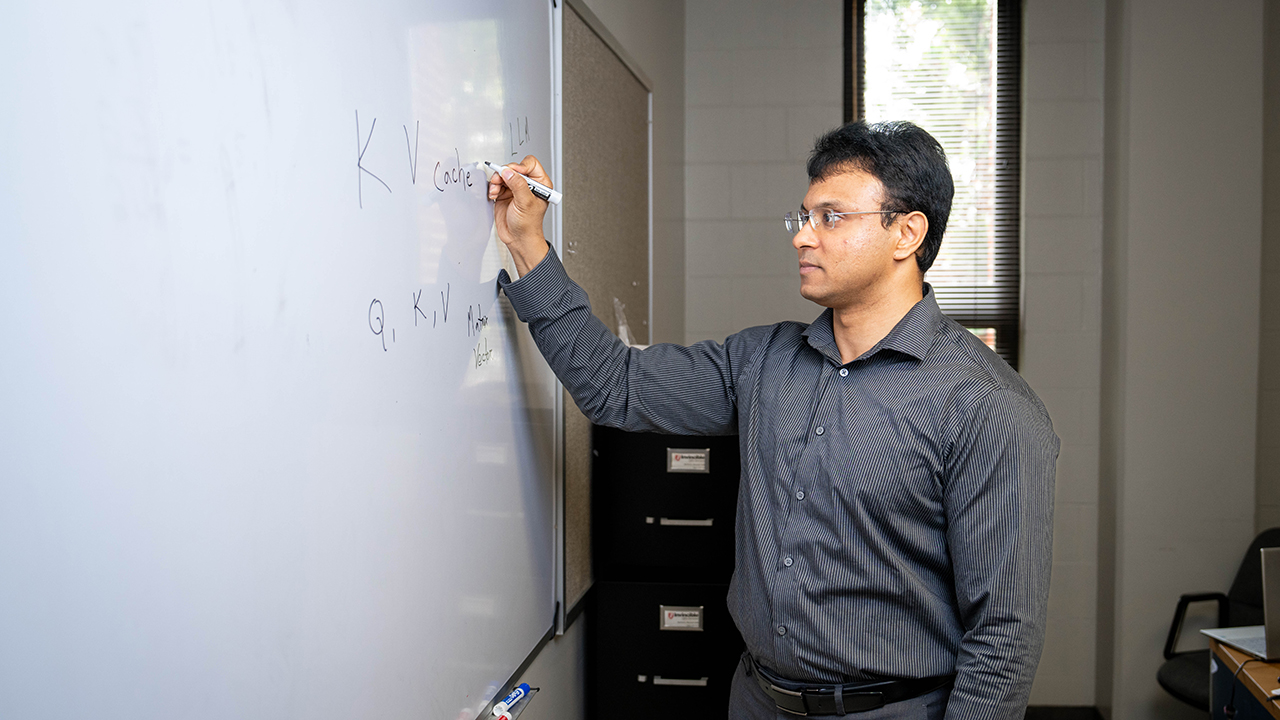
Traditional monolithic chip designs in everyday devices such as cellphones and laptops face significant limitations due to high manufacturing costs and size constraints.
Mehdi Sadi, an assistant professor of electrical and computer engineering, is addressing these challenges posed by modern artificial intelligence (AI) workloads, which demand large silicon areas for optimal performance.
His project, “Optimizing the Next Frontiers of Chiplet-based Designs in Advanced Packaging,” develops AI/machine learning-assisted co-design methodologies to enhance the power, performance, reliability and cost-efficiency of next-generation AI hardware using multi-tier chiplet architectures, while also creating educational resources and fostering a skilled workforce.
The result: smaller chips with greater performance and energy efficiency — at a reduced cost.
For his work, Sadi earned a National Science Foundation (NSF) Faculty Early CAREER Award, drawing $512,000 over the course of five years for his research.
As described by the NSF, the Faculty Early Career Development (CAREER) Program offers the foundation’s most prestigious awards in support of early-career faculty who have the potential to serve as academic role models in research and education and to lead advances in the mission of their department or organization.
“As always, CAREER awards are very competitive,” said Sadi. “The research tasks must address an important and timely problem worthy of long-term research investment and effort.”
Researchers