Auburn University Applied Research Institute drives next-generation defense innovation through Army partnership
Published: Dec 8, 2025 11:00 AM
By Joe McAdory
HUNTSVILLE — Experts at the Auburn University Applied Research Institute (AUARI) are shaping the next generation of defense engineers while tackling some of the nation’s toughest military challenges through a collaboration model that unites campus research with battlefield innovation.
Backed by an $863,000 award from the U.S. Army Combat Capabilities Development Command (DEVCOM) Army Research Laboratory’s Pathfinder Program, in collaboration with the Civil-Military Innovation Institute, AUARI is advancing new signals intelligence capabilities for the Department of War.
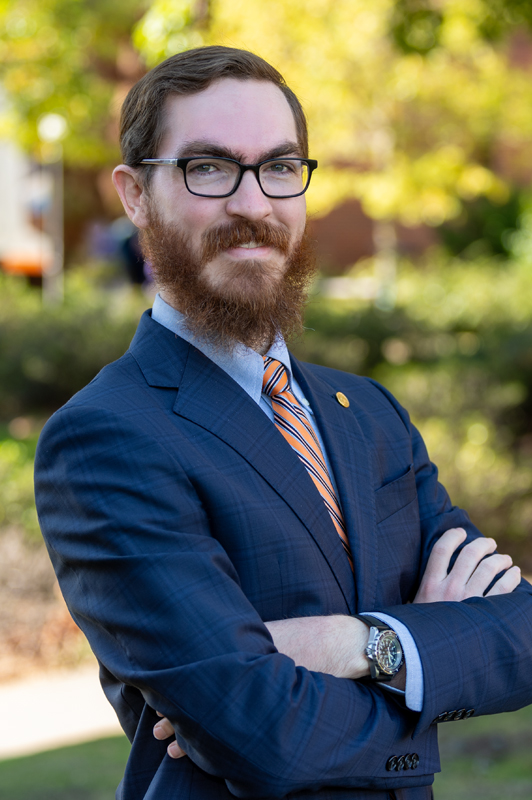
“The driving force behind this effort is real-time collaboration between AUARI researchers and Auburn faculty,” said Steve Mills, principal research scientist at AUARI and the project’s principal investigator. “Together, we’re solving the nation’s hardest problems while training the next generation of engineers.”
Mills is joined by co-principal investigators Hunter Burch, assistant professor in Auburn’s Department of Electrical and Computer Engineering, and Justin Harrison, AUARI principal research scientist and uncrewed systems capability lead.
Through the Army Research Laboratory’s Pathfinder program, AUARI researchers work directly with Army scientists and soldiers to rapidly prototype, test, and refine solutions in the field — an agile approach that replaces years of traditional contracting with hands-on engineering and immediate feedback.
“The Pathfinder program brings the engineers and the end users into the same room,” Burch said. “We get the technology in soldiers’ hands, see how it performs, and adjust on the spot. That speed of iteration is a game-changer.”
On Auburn’s main campus, Burch and his students focus on fundamental research and hardware development, while Harrison’s team in Huntsville leads systems integration and operational testing to ensure that solutions perform in demanding, real-world conditions.
“We specialize in developing special-purpose uncrewed aerial system payloads that operate in environments without radio or GPS access — some of the toughest conditions imaginable,” Harrison said. “By collaborating across campus, we’re building technologies that are resilient, adaptable, and ready for the challenges our warfighters face.”
While technical specifics remain confidential, the project centers on communications and signals intelligence for uncrewed systems, developing compact, rugged technologies that enhance how soldiers transmit data and collect reconnaissance information in dynamic environments. The prototypes aim to improve situational awareness and connectivity for special operations forces, merging Auburn’s academic expertise with AUARI’s applied engineering strengths.
“At the end of the day, Auburn’s greatest product is its people — exceptional engineers,” Mills said. “By tackling real-world defense problems, we’re giving our students and researchers the experience and mindset to deliver practical, high-impact solutions in support of national defense.”
Media Contact: , jem0040@auburn.edu, 334.844.3447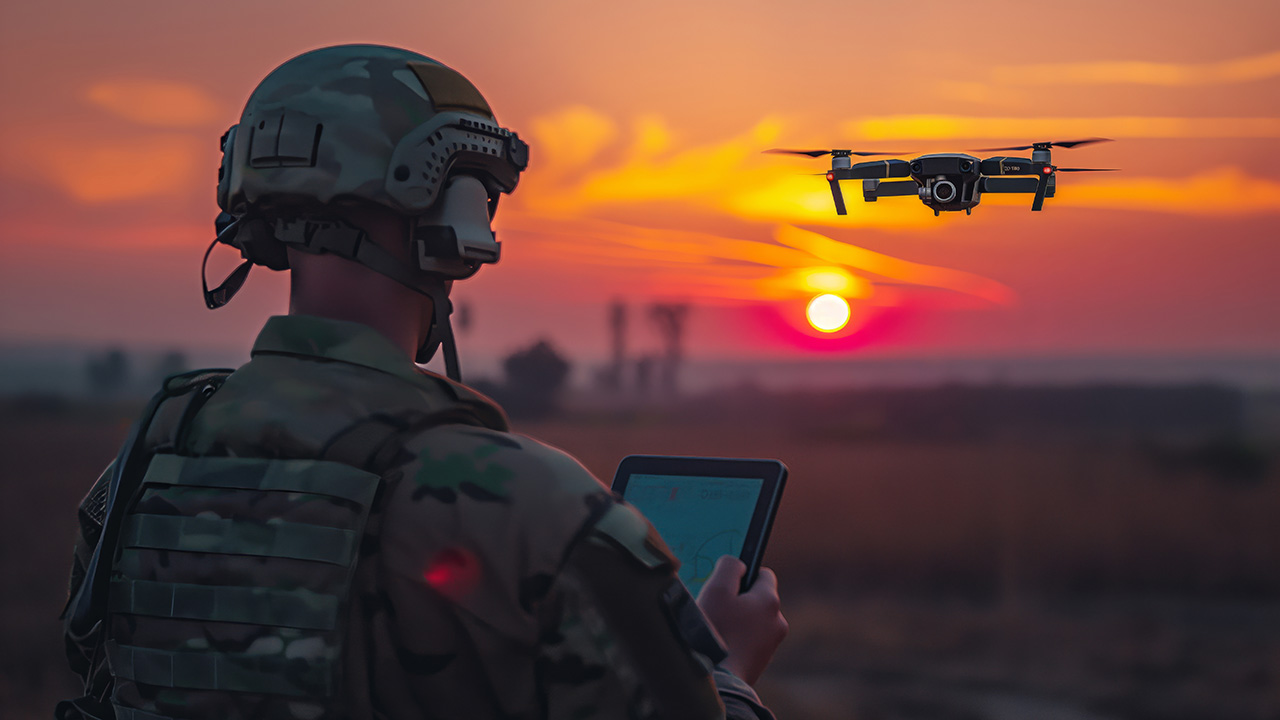
Backed by an $863,000 award from the U.S. Army Combat Capabilities Development Command Army Research Laboratory’s Pathfinder Program, in collaboration with the Civil-Military Innovation Institute, AUARI is advancing new signals intelligence capabilities for the Department of War.